
Submit Inquiry
27 West Beaver Creek Road Unit #2
Richmond Hill, ON, CANADA L4B 1M8

International:

1-905-886-0335

US & Canada:

1-800-265-5696

2026 Top Recycling Baler Machine Types for Global Buyers

Global recycling is becoming more volume-driven, but equipment choices remain highly site-specific. The World Bank’s What a Waste 2.0 report estimated 2.01 billion tonnes of municipal solid waste in 2016. Without major intervention, annual waste could reach 3.40 billion tonnes by 2050. These figures explain why a reliable Recycling Baler Machine matters beyond simple compaction.

The Global E-waste Monitor 2024 reported 62 million tonnes of electronic waste generated in 2022. Only 22.3% was formally collected and recycled. Meanwhile, the report expects e-waste to reach 82 million tonnes by 2030. For global buyers, this pressure creates different priorities. Cardboard plants often value high throughput and dense rectangular bales. Textile facilities may need gentle compression and flexible tie systems. Metal recyclers usually demand stronger chambers, higher pressing force, and safer material handling.

Tom Szaky, founder of TerraCycle and a recognized recycling-industry expert, has said, “There is no such thing as waste, only stuff in the wrong place.” His statement is simple. Baling changes that “wrong place” into a manageable commodity stream. Still, this idea needs caution. A powerful machine cannot repair contaminated feedstock, poor sorting, or weak logistics. Buyers should examine bale density, moisture tolerance, cycle time, energy use, maintenance access, and local safety requirements. EN standards, CE marking, UL requirements, or equivalent certifications may apply, depending on the destination market.

The 2026 market will not reward the biggest machine automatically. It will reward the best operational fit. This guide compares vertical, horizontal, two-ram, auto-tie, and specialized Recycling Baler Machine types for different materials, facility sizes, and export conditions. Mistakes remain possible, especially when brochure figures replace measured site data.
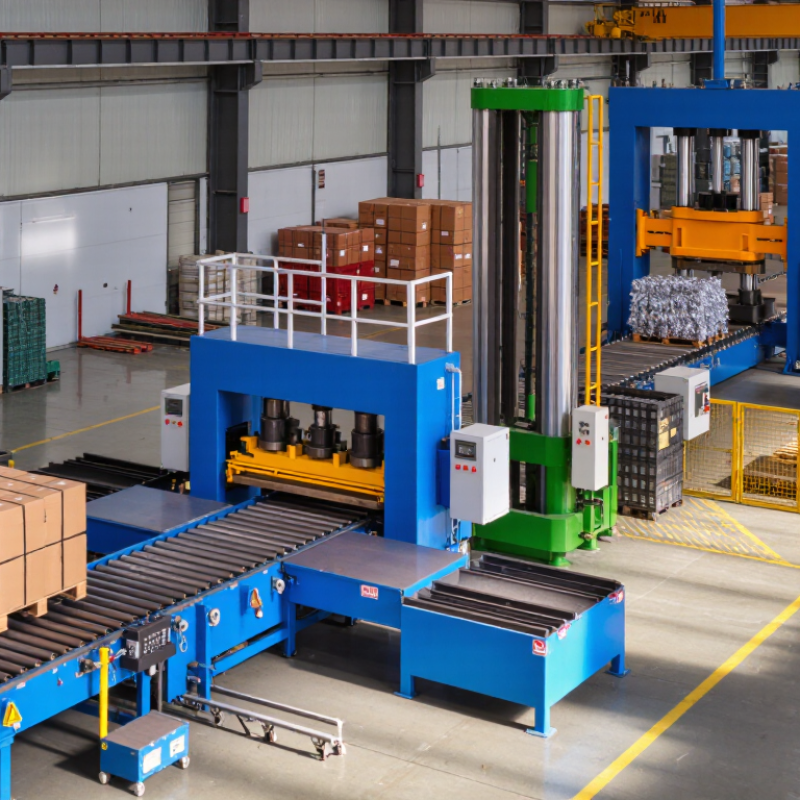
2026 Top Recycling Baler Machine Types for Global Buyers

Recycling Baler Machine Basics and Core Functions

A recycling baler machine compresses loose materials into dense, manageable bales. It commonly handles cardboard, paper, plastic film, textiles, and selected metal packaging. During operation, a chamber holds the material while a hydraulic ram applies controlled pressure. The tied bale then moves easily by forklift or pallet truck. Vertical balers suit shops and small warehouses with limited floor space. Horizontal balers fit recycling centers processing larger daily volumes. Channel balers can support more continuous feeding, but they require stronger material-flow planning.

Core functions include feeding, compression, bale formation, tying, and discharge. Modern controls monitor pressure, cycle timing, door position, and emergency stops. Correct pressure matters. Too little pressure creates unstable bales; excessive pressure can damage equipment or packaging. From practical inspections, clean chamber surfaces and sharp tying tools reduce interruptions. Moisture also matters, especially with cardboard. Wet material may produce heavier, weaker bales and complicate storage.

Do not ignore safety.

Operators need clear training, protective equipment, and a safe exclusion zone around moving parts. A reliable buying decision should compare bale size, material type, throughput, power supply, noise, maintenance access, and spare-part availability. Rated capacity is not the same as real output. Material density, loading habits, and operator experience change performance. I have seen compact machines underperform when users feed oversized items. That mistake is easy to make. A site survey and a short trial with actual materials often reveal more than a catalogue specification.

Vertical, Horizontal, and Fully Automatic Baler Types

2026 Top Recycling Baler Machine Types for Global Buyers

Vertical, horizontal, and fully automatic balers serve different recycling workflows. Vertical balers suit small facilities with limited floor space. Operators load materials through a top chamber and tie compact bales manually. They often handle cardboard, plastic film, and textile waste. Bale size remains manageable for forklifts and local transport. However, production slows when workers must stop repeatedly for tying.

Horizontal balers support higher daily volumes. They need more room, stronger electrical supply, and planned material feeding. Semi-automatic models still require manual wire or strap placement. Fully automatic balers reduce labor by feeding, compressing, tying, and ejecting bales in sequence. They fit distribution centers and recycling plants with steady material flow. Field experience shows that automation works best when contaminants stay low. Wet or uneven loads can cause blockages. Small details matter.

Tips: Measure hourly material volume before choosing a machine. Check chamber dimensions, bale density, power requirements, and service access. Ask for safety documentation and operator training. Do not judge performance from pressing force alone. A cheaper machine may need more maintenance. I have seen attractive specifications fail under inconsistent feeding, so request practical test data with your actual materials.

Material Compatibility and Common Recycling Applications

2026 Top Recycling Baler Machine Types for Global Buyers

Material Compatibility and Common Recycling Applications

Choosing a recycling baler starts with the material, not the advertised pressure rating. Vertical balers suit cardboard, office paper, plastic film, and textile waste. They require limited floor space and work well in retail stores, warehouses, and small distribution centers. Horizontal balers handle higher daily volumes. They are common in recycling plants, packaging facilities, and municipal sorting sites. Two-ram balers can process mixed, bulky materials, including flattened containers and light industrial packaging.

Cardboard usually forms dense, stable bales with a standard channel baler. Film and woven bags need careful compression control because elastic materials can expand after tying. PET containers may require perforation or pre-crushing to reduce springback. Aluminum cans compact efficiently, but the chamber and tying system must resist sharp edges. Wet paper is more difficult. It may create unstable bales and increase corrosion risk.

Material testing matters.

A practical trial should measure bale density, moisture, feeding speed, and wire or strap performance. Operators should also inspect dust control and access for routine cleaning. A machine that handles dry cardboard well may struggle with contaminated food packaging. This detail is easy to overlook. I would not choose equipment from a brochure alone; sample bales often reveal feeding problems, uneven compression, or excessive manual handling. Capacity estimates also deserve review, because real shifts include jams, inspections, and changing material grades.

2026 Top Recycling Baler Machine Types for Global Buyers

The chart compares common material compatibility across three widely used recycling baler categories. The application-fit index ranges from 1 to 3: 1 means limited or specialized use, 2 means suitable with proper preparation, and 3 means a common recycling application. Actual performance depends on feedstock moisture, contamination, bale size, and machine configuration.

Key Specifications for Comparing Baler Machine Performance

2026 Top Recycling Baler Machine Types for Global Buyers

Key Specifications for Comparing Baler Machine Performance

Baler selection should begin with material, not machine size. The U.S. EPA reported 46.0 million tons of paper and paperboard were recycled in 2018, representing a 68.2% recycling rate. This volume shows why stable throughput matters. Compare tested throughput in kilograms per hour, not only advertised capacity. A vertical baler may suit small warehouses, while horizontal automatic equipment handles continuous fiber streams. Those categories perform differently.

Check bale dimensions, chamber volume, ram force, cycle time, and finished bale weight. Density affects transport efficiency and storage space. For example, a loose cardboard bale may waste trailer capacity, even when the machine cycles quickly. Measure moisture and contamination during trials. They can reduce compression consistency. Power requirements also deserve attention, especially where electricity supply fluctuates. A lower-rated motor is not always cheaper after downtime and maintenance.

The European Environment Agency reported that EU packaging recycling reached about 65% in 2022. Buyers should therefore examine tying speed, wire or strap compatibility, feeding ergonomics, guarding, and emergency-stop access. Request performance data using your own material. Ask for noise levels and service intervals.

A higher ram force can still produce poor bales. That is the uncomfortable part. Real operating results may differ from factory tests, and my comparison would remain incomplete without weighing ten consecutive bales, checking density, and recording rejected loads.

How Global Buyers Choose the Right Recycling Baler Machine

2026 Top Recycling Baler Machine Types for Global Buyers

How Global Buyers Choose the Right Recycling Baler Machine

Global buyers should begin with material, not machine size. Cardboard, plastic film, textiles, and mixed packaging need different compression approaches. Vertical balers suit smaller facilities with limited floor space and moderate daily volumes. Horizontal balers support continuous feeding and higher throughput. Two-ram systems can handle bulky, uneven materials with better bale control.

Measure the real workload. Record daily tonnage, peak hours, material moisture, and loading methods. A machine rated for 20 tons daily may struggle during seasonal surges. Bale density also matters because dense bales reduce storage and transport costs. However, excessive pressure can damage fragile materials or increase maintenance needs. Higher tonnage is not always better.

Power supply requires careful checking. Confirm voltage, frequency, installation space, door clearance, and local service access. Buyers should inspect chamber dimensions, tying methods, emergency stops, and guarding. Ask for test results using similar material. Request clear details about cycle time and noise levels. In real installations, poor feeding often causes more trouble than weak hydraulic force. I have seen buyers choose compact equipment, then regret ignoring conveyor height. That mistake is avoidable, but not rare. Reliable suppliers should provide manuals, spare-parts guidance, operator training, and documented safety information. A practical site trial can reveal issues that brochures overlook.

2026 Top Recycling Baler Machine Types for Global Buyers - How Global Buyers Choose the Right Recycling Baler Machine

Practical comparison of common recycling baler configurations and selection factors

Note: Capacity, bale weight and bale density are typical indicative ranges. Actual performance depends on material type, moisture, feed consistency, bale dimensions, operating cycle and local safety requirements.
Baler Type Typical Recyclable Materials Typical Throughput Typical Bale Weight Automation Level Space Requirement Best Fit for Global Buyers Key Selection Considerations
Vertical Baler Cardboard, paper, plastic film, PET bottles and textile waste Approximately 1–8 tonnes per hour, depending on material and model Approximately 30–500 kg Manual loading; manual or assisted tying Low to moderate; suitable for limited floor space Retail stores, offices, hotels, small warehouses and collection points Choose based on available electrical power, loading height, bale size, operator access and required tying method.
Horizontal Manual-Tie Baler OCC, mixed paper, cardboard, soft plastics and non-ferrous packaging Approximately 3–15 tonnes per hour Approximately 100–600 kg Powered compression; manual wire or strap tying Moderate; requires a longer operating and bale-removal area Small to medium recycling facilities with variable material streams A practical choice where throughput is important but the investment and maintenance level of a fully automatic line is not required.
Horizontal Semi-Automatic Baler Cardboard, paper, PET bottles, HDPE containers and selected plastic film Approximately 5–25 tonnes per hour Approximately 200–700 kg Automatic compression; operator-assisted tying or strapping Moderate to high; needs material feeding and bale discharge clearance Growing material recovery facilities and regional recycling centers Check feed opening, cycle time, tie-wire or strap compatibility, conveyor integration and labor requirements.
Horizontal Fully Automatic Baler High-volume OCC, mixed paper, PET, HDPE and sorted plastic streams Approximately 15–60 tonnes per hour, depending on feedstock and line design Approximately 300–1,200 kg Automatic feeding, compression, tying and bale discharge High; normally integrated with conveyors, sorting equipment and control systems Large recycling plants, distribution hubs and continuous-feed operations Evaluate line balance, uptime target, maintenance access, control-system compatibility and availability of local technical support.
Two-Ram Baler Mixed paper, cardboard, plastic containers, film and difficult-to-bale mixed recyclables Approximately 15–50 tonnes per hour Approximately 400–1,200 kg Highly automated; designed for continuous material flow High; requires substantial feed, bale discharge and service areas Facilities handling several material grades or frequent material changes Useful where flexible material handling, stable bale shape and reduced bridging are priorities; confirm energy demand and service access.
Shear Baler Ferrous scrap, non-ferrous scrap and light metal recycling feedstock Material-dependent; usually specified by batch cycle and scrap density rather than paper-baling throughput Often approximately 300–1,000+ kg Powered loading, compression and shearing; operator-controlled cycles High; requires reinforced foundations, loading equipment and safety clearance Metal recycling yards and scrap-processing operations Select by metal type, maximum scrap dimensions, cutting force, chamber size, bale profile and guarding requirements.
Specialized Textile or Fiber Baler Textiles, used clothing, natural fibers, synthetic fibers and insulation materials Approximately 1–10 tonnes per hour, depending on material preparation Approximately 50–500 kg Manual, semi-automatic or automatic depending on bale specification Low to moderate, with additional room for feeding and wrapping Textile collection centers, fiber processors and reuse-oriented operations Prioritize gentle compression, material cleanliness, bale stability, dust control and compatibility with downstream sorting or reuse.

How Global Buyers Choose the Right Recycling Baler Machine

  • Material profile: Identify the material category, moisture level, contamination rate, bulk density and expected material changes.
  • Required throughput: Size the baler for the hourly average and peak feed rate, rather than the average alone.
  • Bale specification: Confirm target bale dimensions, weight, density, tying method and requirements from downstream buyers.
  • Site conditions: Check available floor area, ceiling height, foundation strength, electrical supply, ventilation and material-flow layout.
  • Operating cost: Compare labor, electricity, consumables, preventive maintenance, wear parts and expected downtime.
  • Safety and compliance: Verify guarding, emergency stops, lockout procedures, operator training and applicable local regulations.
  • Serviceability: Consider spare-parts availability, hydraulic-component standards, documentation, remote support and local maintenance capability.
123