2026 Best Batch Concrete Plant for Global Buyers Guide?
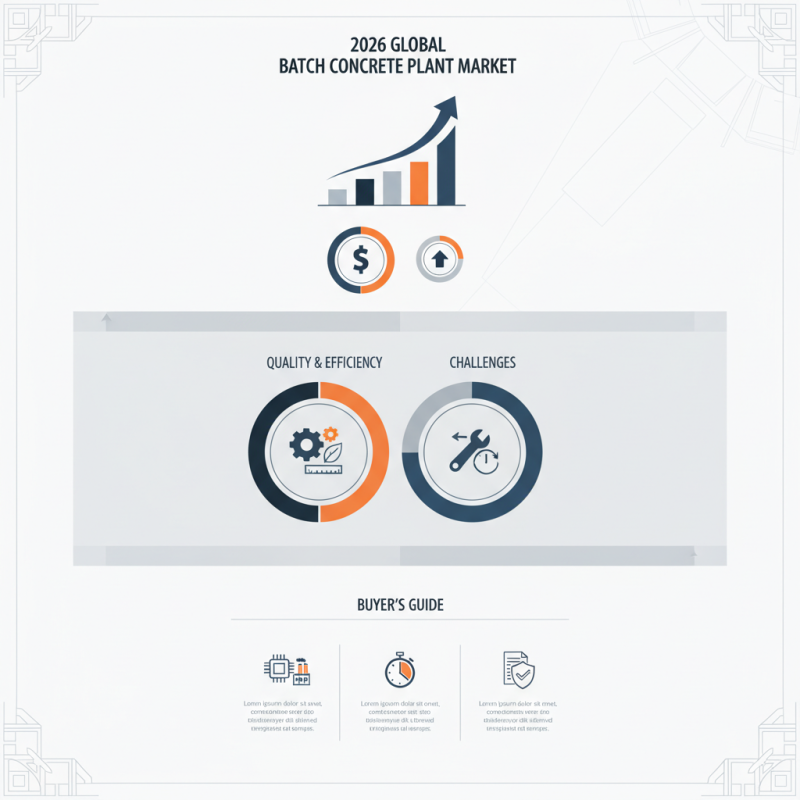
The construction industry is rapidly evolving. A significant factor in this change is the growing demand for Batch Concrete Plants. These plants facilitate efficient concrete production, essential for any construction project. According to a recent market report by Research and Markets, the global market for concrete batching plants is expected to reach USD 7 billion by 2026, indicating a robust growth trajectory.
Batch Concrete Plants offer precision in mixing, ensuring better quality and uniformity in concrete. This quality control is crucial as construction projects face increasing scrutiny regarding materials and sustainability. However, not every plant meets the stringent quality standards. Buyers must carefully evaluate options, considering factors like technology, efficiency, and compliance with regulations.
Despite the advancements, challenges remain. For instance, some plants encounter issues with maintenance and operational efficiency. These concerns can lead to unexpected downtimes, affecting project timelines. It is essential for buyers to conduct thorough research and seek expert advice in making informed decisions that align with their specific needs.
2026 Batch Concrete Plant Overview: Types and Features
When considering batch concrete plants, understanding the types and features is crucial for global buyers. There are several varieties available, each tailored for specific needs. For instance, a stationary plant is ideal for large, continuous projects. Its efficiency and high output help meet demanding timelines. Conversely, a mobile batch plant offers flexibility. It can be relocated to different job sites, making it a popular choice for smaller projects.
Within each type, various features enhance functionality. A key component is the mixing system. Some plants utilize twin-shaft mixers for uniformity and speed. Others incorporate volumetric mixers for precise ingredient measurement. Advanced control systems also play a pivotal role. They enable operators to monitor production closely, ensuring quality control. However, with numerous options, choosing the right plant can be overwhelming. It's essential to assess project requirements carefully.
Despite the advancements, challenges remain. Not all plants are equipped with the latest technology, which can lead to inefficiencies. Buyers sometimes face difficulty in understanding specifications. This lack of clarity can cause buyers to make ill-informed decisions. Therefore, thorough research and expert consultations are vital. Taking the time to reflect on these aspects ensures better alignment with project goals.
Key Considerations for Selecting the Best Batch Concrete Plant
When selecting the best batch concrete plant, several key factors must be considered. One important aspect is the type of production required. Different plants cater to various production rates. Assess your project needs carefully. A plant that is too small may cause delays, while one that is too large can be inefficient.
Tips: Evaluate your average concrete demand. Look for flexibility in production types. A plant that offers customization can save costs and improve efficiency.
Another consideration is the technology used in the plant. Modern batch plants incorporate advanced automation and control systems. These features help monitor quality and enhance consistency. It is essential to understand how these technologies align with your operational requirements.
Tips: Research the latest trends in concrete technology. Seek out user reviews on performance and durability. This can help avoid unexpected challenges.
Lastly, location plays a vital role. A plant positioned near suppliers and project sites can minimize transportation costs. However, consider the local regulations that might impact operations. Understanding the environmental impact is crucial, too.
Tips: Map out potential site locations before finalizing your choice. Identify any regulatory hurdles early on. Addressing issues upfront will lead to smoother project execution.
Global Market Trends for Concrete Plants: Growth Metrics and Statistics
The global market for concrete plants is witnessing notable growth. According to a recent report from MarketsandMarkets, the concrete plant market is expected to reach $XX billion by 2026, with a CAGR of XX%. This trend reflects an increasing demand for infrastructure development worldwide. Emerging economies, such as India and Brazil, are leading the growth, driven by urbanization and government investments in construction.
Data from Statista indicates that the demand for ready-mix concrete is rising significantly. In 2022, the global ready-mix concrete market size was valued at approximately $XX billion. This growth comes with challenges. Sustainability concerns are pushing manufacturers to innovate. Traditional concrete production methods are under scrutiny for their environmental impact.
The push for automation in concrete plants is also influenced by labor shortages. A report from Technavio suggests that automation can improve production efficiency by 30%. However, the transition requires substantial investment and knowledge. Many companies underestimate the complexities involved in upgrading their systems. As the market matures, buyers must carefully evaluate these trends to make informed decisions.
Global Market Trends for Concrete Plants
Technological Innovations in Batch Concrete Plants for 2026
In 2026, batch concrete plants are expected to witness a wave of technological innovations. These advancements focus on improving efficiency and sustainability. Automated systems now play a crucial role in reducing human error. This leads to more precise mixing ratios and shorter production times. Additionally, real-time monitoring technology ensures consistent quality. Users can track material performance instantaneously.
Many plants are also adopting eco-friendly practices. For example, recycling waste materials has become a priority. This helps reduce the environmental impact of concrete production. However, some companies struggle with implementing these practices effectively. They face challenges in sourcing reliable recycled materials. This highlights a gap that needs attention.
Moreover, digital integration is reshaping the industry. Cloud-based platforms allow for better project management and data sharing. Operators can access crucial information from anywhere. Yet, not all companies are equipped with the necessary skills. Training and adapting to digital tools remain areas for improvement. As technology evolves, so too must the workforce.
Environmental Standards and Sustainability in Concrete Plant Operations
In recent years, environmental standards have become essential in the operation of concrete plants. Sustainable practices are now vital for minimizing the ecological footprint of concrete production. Concrete plants must adopt innovative methods to reduce emissions and conserve resources. This transformation is necessary for meeting the expectations of global consumers who prioritize sustainability.
One effective approach is utilizing recycled materials in concrete mixtures. This not only helps reduce waste but also lowers the demand for new raw materials. Implementing efficient water management systems can also lower water usage. It’s crucial for concrete plants to regularly assess their operations and seek ways to enhance efficiency and comply with evolving regulations.
Tips: Always conduct regular audits of your plant's practices. Engage with local communities to understand environmental concerns. Embracing transparency in waste management can build trust. Addressing areas for improvement can reveal opportunities for innovation and growth. As paving the path for sustainability is a continuous journey, staying informed about the latest environmental standards is vital for long-term success.